Stop Neck Razor Bumps: A Grown Man’s Shave Plan
- Shave your neck with the grain only; add a light cross‑grain pass later if your skin tolerates it.
- Switch to a single blade or guarded trimmer and limit passes to reduce ingrowns.
- Prep matters: warm water, gentle cleanse, and a slick, low‑fragrance shave gel.
- Place and maintain a low, natural neckline with a trimmer to avoid over‑shaving the neck.
- Cool, alcohol‑free aftercare and a sane schedule (48–72 hours) keep irritation down.
The short answer: what actually stops neck razor bumps
Razor bumps happen when cut hairs curl and re-enter the skin. Your move is to cut those neck hairs cleanly and shallow, in their growth direction, with as few passes as possible—then protect the skin after. Do this:
- Map your grain. Wait 24–48 hours, feel which way each neck zone grows, and only shave with that direction.
- Switch tools. Use a single blade (safety razor or single-blade cartridge) or a guarded trimmer (0.5–1.0 mm) on the bump-prone areas.
- Limit passes. One with‑the‑grain pass. If your skin is calm for a week, you can test a light cross‑grain pass. Never go against the grain on the neck.
- Use slick, clear gel. A low‑fragrance shave gel lets you see the grain and reduces drag. Short strokes; rinse every 1–2 strokes.
- Lower the neckline. Keep your beard/neck edge lower and natural so you’re not shaving high into the bump zone daily.
- Aftercare. Cool rinse, pat dry, alcohol‑free splash (witch hazel or aloe based), then a light, unscented balm. Collars up only after 15–30 minutes.
- Schedule smarter. Neck shaves every 48–72 hours. On off days, tidy with a trimmer, not a close blade.
Follow this for two weeks. Most men see fewer bumps and less redness simply by changing direction, blade count, and passes.
Map your neck grain like a pro

Your neck rarely grows in one direction. Usually it swirls: down under the jaw, up near the Adam’s apple, sideways under the ears. If you don’t know the map, you’re guessing—and guessing causes razor bumps.
- Grow 24–48 hours. Skip shaving the neck for a day or two so the pattern shows.
- Feel and see. On clean, dry skin, rub a fingertip or cotton pad in all directions. The smooth direction is with-the-grain (WTG). The rough, prickly direction is against. Note arrows for 3–6 zones: under each jaw hinge, under each ear, sides of the Adam’s apple, center throat.
- Note swirls. If hair grows upward at the lower neck, your WTG stroke there is up. Write it down or take a quick photo with arrows drawn in your phone.
- Plan passes. Commit to one WTG pass in each zone only. If you later add a second pass, make it light and across the grain (XTG), never against.
Re-check your map every few months. As hair length or style changes, patterns can shift slightly.
Prep that prevents bumps before the blade touches skin
Good prep softens hair and adds glide so the blade trims instead of yanks. Do this each neck shave:
- Warm water first (1–2 minutes). Shave after a shower or press a warm, wet towel to the neck. You want the hair hydrated, not hot and flushed.
- Gentle cleanse. Use a mild, non‑stripping face wash to remove oil and grit that can drag the blade. If you need picks, see our guide to best face wash for men over 40.
- Optional: light pre‑shave layer. 1–2 drops of a simple, non‑heavy oil or a dedicated pre‑shave lotion can reduce friction. If your skin runs oily, skip it.
- Lather for visibility. A clear, glycerin‑based shave gel or a light cream lets you see hair direction and lines. Reapply a thin film before any second pass.
- Exfoliate on off days (not right before a close shave). 2–3 evenings per week, gently exfoliate to keep exits clear. See our step‑by‑step on how to exfoliate.
Avoid hot, steamy extremes or harsh scrubs right before shaving the neck—those can prime you for irritation.
Tools and technique: fewer blades, fewer passes, less drama
The neck rewards restraint. Pick the right tool for each zone, then use light, short strokes.
Tool choices
- Single blade for closeness with control. A classic safety razor or a single‑blade cartridge cuts clean at skin level without stacking blades that can tug and cause ingrowns.
- Guarded trimmer for bump‑prone spots. Use 0.5–1.0 mm on the lower neck to keep hair just off the skin. This nearly removes bumps for many men because hairs can’t re‑enter.
- Foil shaver (optional). If you prefer electric, use a gentle foil on the grain with minimal pressure. Lift‑and‑cut designs can be harsh on swirls—test slowly.
Technique checklist
- Fresh edge. Replace blades every 5–7 neck shaves, sooner if you feel tugging.
- Angle and pressure. With a safety razor, keep ~30° blade angle and let the razor’s weight do the work. With carts/electrics, feather‑light pressure only.
- Short strokes. 1–2 cm strokes following your grain map. Rinse the blade every 1–2 strokes to keep it clean and cool.
- One pass rule. Complete one with‑the‑grain pass across all zones. If skin stays calm for a week, test a second across‑grain pass in your least sensitive zone. Stop if you see redness.
- Skin handling. Use your free hand to gently flatten loose areas, not stretch them drum‑tight; overstretching can invite ingrowns.
- No against‑the‑grain on neck. Save that for cheeks if at all; the neck is the worst place for ATG passes.
If barbers have been shaving your neck with a straight razor and you leave red, speak up. Say: “Let’s skip the razor on my neck—just use the trimmer low and natural.”
If you want a personalized, barber‑level plan, Suvant’s image audit turns your photos into exact next moves—including a printable barber brief with guard numbers and finish notes. It’s free to start at app.getsuvant.com.
Keep a clean neckline without over‑shaving
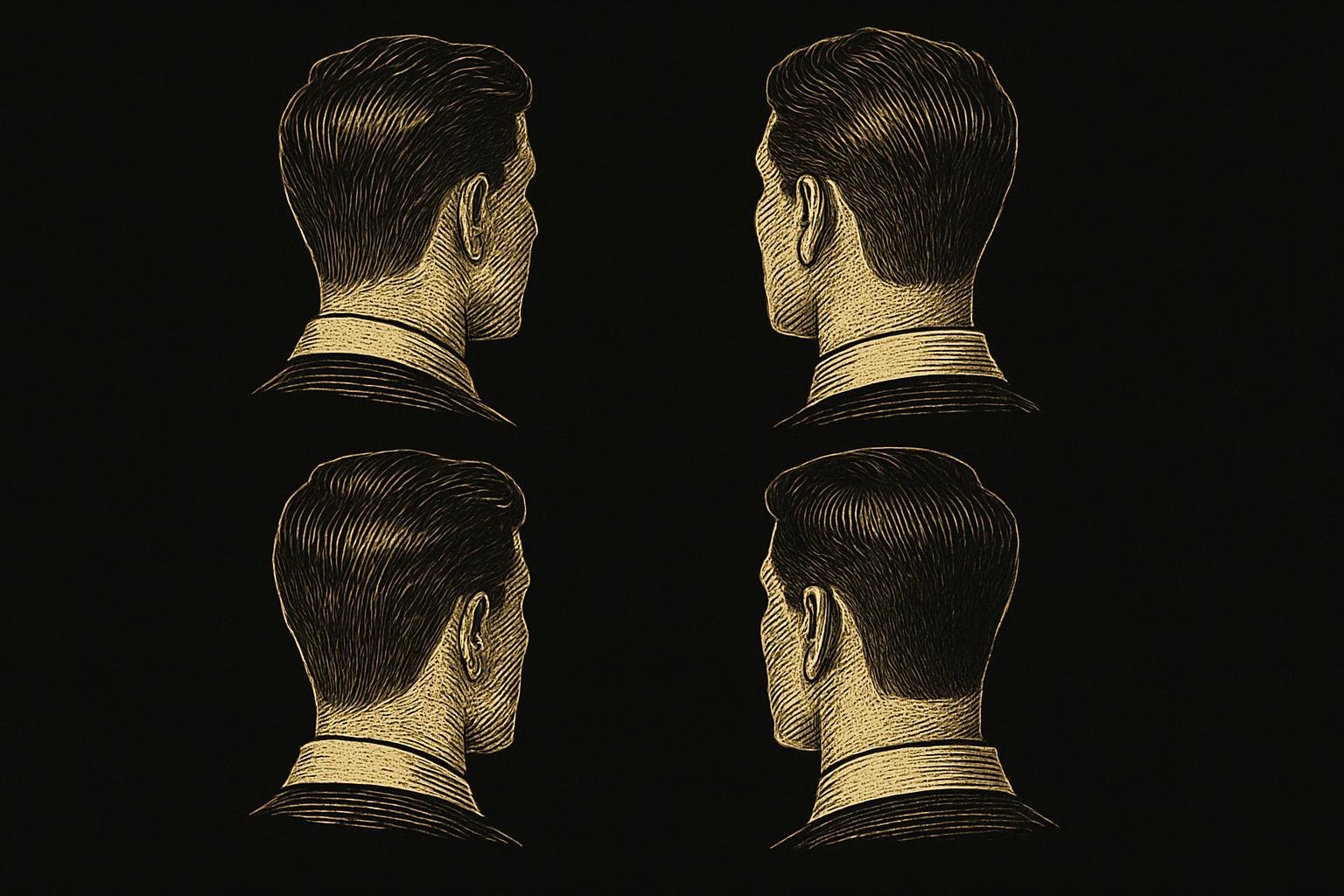
A sharp neckline makes you look finished without scraping your whole neck daily. Keep it low, natural, and easy to maintain.
Where to set the line
- Front center: Two finger widths above the top of your Adam’s apple is a safe low point for most beards. Err lower if you get bumps.
- Side curve: From just behind each ear lobe, imagine a gentle U‑curve that meets that front point. Avoid carving a high, straight shelf under the jaw.
Walkthrough (every 2–3 days):
- Comb and stand neutral. Head level, not tilted up.
- Outline with a closed trimmer. Trace your U‑curve lightly. No razor—keep it easy on skin.
- Fade up: Guard 3 mm below the line, then 2 mm, then 1 mm as you move downward 1–2 inches. This creates a subtle taper that hides regrowth.
- Clean stray hairs. A quick pass with the trimmer on the throat center if needed.
At the barber, say this verbatim: “Natural, low neckline—no razor on the neck. Taper from 3 mm down to 1 mm into the base. Keep the line two fingers above the Adam’s apple, soft curve behind the jaw.” For beard details, see our full neckline guide: how to trim a beard neckline.
Aftercare that calms and protects
Once you’re done cutting, help the skin close, calm, and stay clean.
- Cool rinse, pat dry. No rubbing with the towel.
- Alcohol‑free splash. A simple witch hazel or aloe‑based splash soothes without sting. If you like a hint of scent, keep fragrance off the neck for 30 minutes.
- Light balm. Pea‑sized amount of unscented lotion or balm. Too much product can clog exits.
- Hands off. Don’t pick or press ingrowns. Let the hair surface naturally.
- Collars and sweat. Give it 15–30 minutes before buttoning a tight collar or working out.
- Clean gear. Rinse and dry razors. Disinfect trimmer blades weekly per the manufacturer’s guidance, then oil lightly.
If you keep getting significant irritation, ask your barber to review your grain and technique. For persistent skin concerns, a dermatologist can advise on skin health while you keep your grooming gentle.
Schedule, common mistakes, and quick fixes

Dial in your rhythm
- Every 48–72 hours: Full neck shave (WTG only), or guarded trim at 0.5–1.0 mm if you’re bump‑prone.
- Between shaves: Keep the neckline neat with a trimmer outline and a 3–2–1 mm fade.
- Weekly: Re‑check grain in tricky zones; clean and oil tools.
Common mistakes and what to do instead
- Going against the grain on the neck. Swap to with‑the‑grain only. If you need closer, add a light cross‑grain pass in your least sensitive zone after a week of calm shaves.
- Multi‑blade cartridges stacking passes. Try a single blade or use a trimmer guard on the lowest inch of neck hair.
- High, hard neckline. Lower it and taper. You’ll shave less real estate and reduce irritation.
- Heavy pressure and long strokes. Use short, feather‑light strokes; rinse often.
- Shaving daily through irritation. Rest the skin 24–48 hours and switch to guarded trimming until calm.
- Dirty or dull tools. Replace blades on a schedule and clean trimmers weekly.
Travel kit checklist
- Single‑blade razor or compact trimmer with 1–3 mm guards
- Clear shave gel (travel size)
- Alcohol‑free splash and unscented balm
- Small towel for warm prep
Want prioritized next moves based on your actual photos? Suvant’s free image audit scores your face, hair, skin, grooming, and more, then gives you ranked quests—like a barber brief with guards and finish notes. Upgrade anytime to get re‑audits and a money‑back guarantee plan at app.getsuvant.com.
If you’re also shaving your head, the neck rules apply. See our guide to shaving your head over 40 for tool and angle tweaks.
Get the honest audit you've never gotten.
Three photos, eight scores, the real reasons behind each number, then a ranked plan to fix them one move at a time.
Get my free audit →